Top Trends in Interior Design to Inspire Your Next Project
In the ever-evolving world of interior design, staying updated with the latest trends is essential for creating spaces that are not only functional but also aesthetically pleasing. As homeowners and businesses alike seek to enhance their environments, understanding these trends can provide valuable insights for your next project. This article explores the top trends in interior design that can inspire your next renovation or design endeavor.
Embracing Sustainable Design
Sustainability has become a cornerstone of modern interior design, with a growing emphasis on eco-friendly materials and practices. Homeowners are increasingly opting for sustainable options, such as reclaimed wood, recycled materials, and low-VOC paints, which not only reduce environmental impact but also enhance indoor air quality. According to a recent survey, 74% of consumers are willing to pay more for sustainable products, indicating a significant shift towards eco-conscious choices in design.
Incorporating sustainable design elements can also lead to long-term cost savings. Energy-efficient appliances, for instance, not only lower utility bills but also contribute to a more sustainable lifestyle. By prioritizing sustainability in your design choices, you not only create a healthier living environment but also align with a growing market trend that values environmental responsibility.
Maximalism: A Bold Statement
While minimalism has dominated the design landscape for years, maximalism is making a strong comeback, encouraging bold colors, patterns, and textures. This trend allows homeowners to express their personalities through vibrant decor and eclectic furnishings. By mixing and matching various styles, maximalism creates a unique and personalized space that reflects individual tastes and preferences.
Maximalism also invites creativity and experimentation, allowing designers to push boundaries and explore unconventional combinations. This trend is particularly appealing to those who wish to create a lively and dynamic atmosphere in their homes or commercial spaces. By embracing maximalism, you can transform ordinary rooms into extraordinary experiences that captivate and inspire.
Smart Home Integration
The integration of technology into interior design is no longer a luxury but a necessity. Smart home devices, such as automated lighting, smart thermostats, and security systems, are becoming increasingly popular as homeowners seek convenience and efficiency. A study found that 70% of homeowners are interested in smart home technology, highlighting the demand for tech-savvy design solutions.
Incorporating smart technology into your design not only enhances functionality but also adds a modern touch to your space. For instance, smart lighting can create different moods and atmospheres with the touch of a button, while smart thermostats can optimize energy usage. By integrating these technologies, you can create a seamless and efficient living environment that meets the demands of contemporary life.
Color Trends: Bold and Neutral Palettes
Color plays a crucial role in interior design, influencing mood and perception. Recent trends show a shift towards both bold and neutral color palettes, allowing for versatility in design. Bold colors, such as deep blues and rich greens, can create a dramatic focal point, while neutral tones provide a calming backdrop that complements various styles.
Using color strategically can enhance the overall aesthetic of a space. For example, a bold accent wall can add depth and interest to a room, while neutral furnishings can create a cohesive and sophisticated look. By understanding the psychological effects of color, you can make informed choices that elevate your design and resonate with your personal style.
3D Visualization: Bringing Ideas to Life
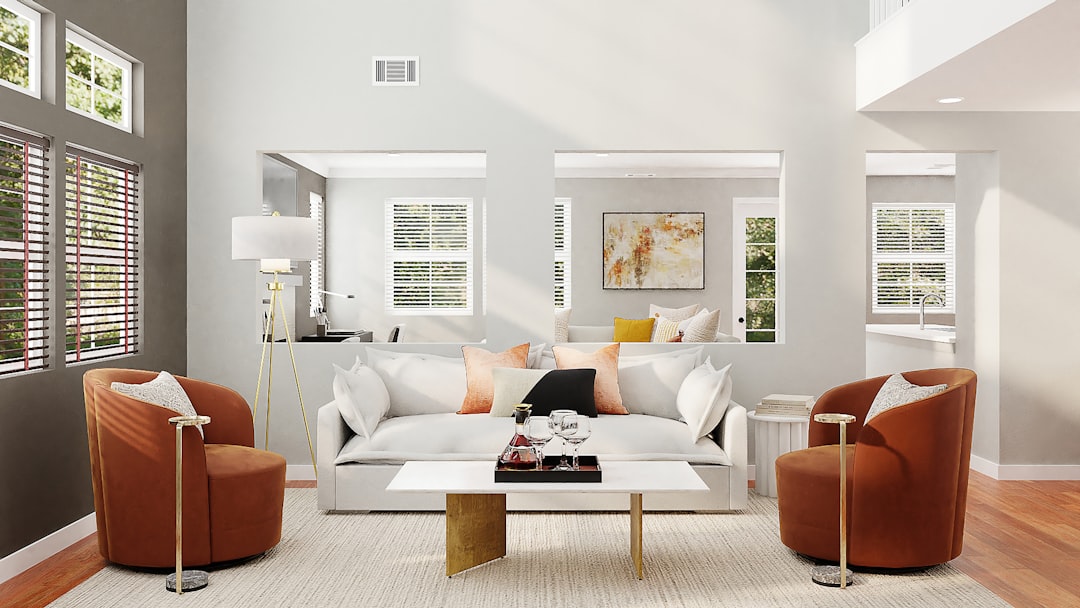
As technology advances, 3D interior visualization has become an invaluable tool in the design process. This innovative approach allows clients to see their spaces come to life before any physical changes are made. By utilizing 3D rendering software, designers can create realistic representations of proposed designs, helping clients visualize the final outcome.
3D visualization not only enhances communication between designers and clients but also streamlines the decision-making process. Clients can explore different layouts, color schemes, and furnishings in a virtual environment, making it easier to identify their preferences. This technology ultimately leads to more informed choices and greater satisfaction with the final design.