
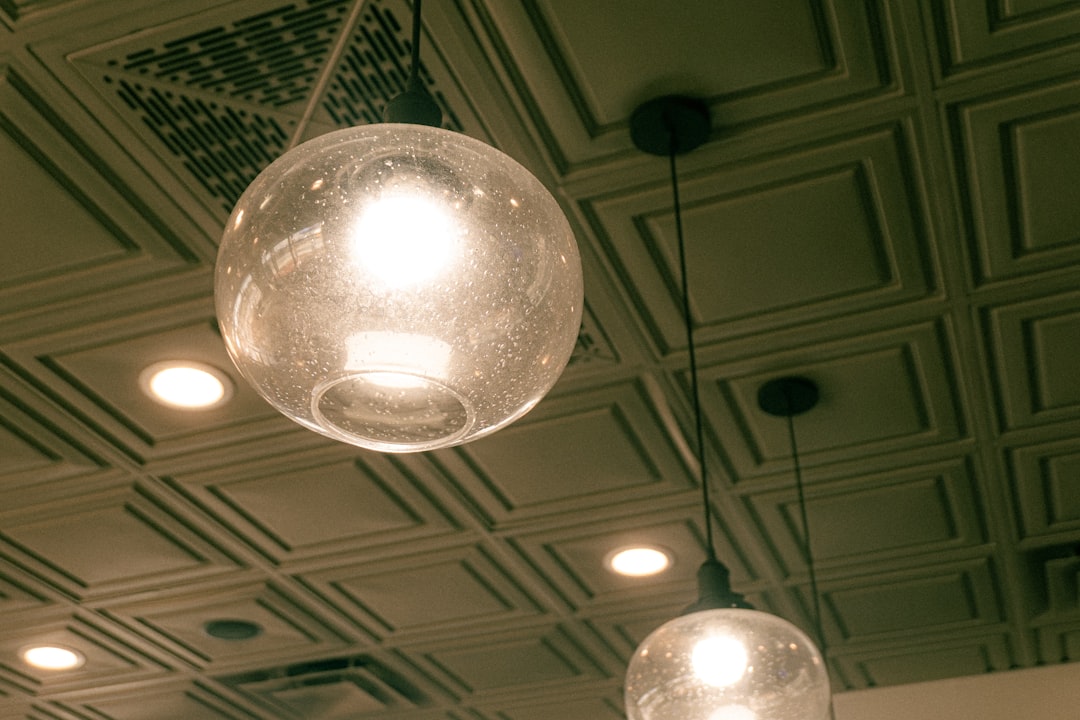
The Importance of Lighting in Interior Design: Brighten Up Your Home
Lighting is a crucial element in interior design that can dramatically affect the mood, functionality, and aesthetic of a space. Proper lighting not only enhances the beauty of your home but also improves its usability. Understanding the importance of lighting can help you make informed decisions when designing or remodeling your home. This article will explore various aspects of lighting in interior design and how it can transform your living spaces.
Understanding Different Types of Lighting
There are three main types of lighting: ambient, task, and accent lighting. Ambient lighting provides overall illumination and sets the mood for the room. It can come from various sources such as ceiling fixtures, wall sconces, or natural light from windows. Task lighting, on the other hand, is focused on specific areas where activities like reading, cooking, or working take place. Examples include desk lamps, under-cabinet lights, and pendant lights over kitchen islands.
Accent lighting is used to highlight specific features or objects within a space, such as artwork, architectural details, or plants. This type of lighting adds depth and interest to a room, creating visual focal points. By combining these three types of lighting, you can create a well-balanced and functional environment that caters to your needs.
The Role of Natural Light
Natural light plays a significant role in interior design, contributing to the overall ambiance and energy efficiency of a home. Maximizing natural light can make spaces feel larger, more inviting, and connected to the outdoors. Consider incorporating large windows, skylights, or glass doors to allow sunlight to flood your interiors. Additionally, using light-colored walls and reflective surfaces can help bounce natural light around the room.
However, it is essential to balance natural light with artificial lighting, especially during the evening or on cloudy days. Layering your lighting design ensures that your home remains bright and welcoming at all times. By strategically placing mirrors and using sheer window treatments, you can enhance the effects of natural light while maintaining privacy.
Choosing the Right Fixtures
Selecting the right lighting fixtures is crucial for achieving the desired look and feel in your home. Consider the style of your interior design when choosing fixtures, as they should complement the overall aesthetic. For example, modern spaces may benefit from sleek, minimalist designs, while traditional homes may call for more ornate fixtures. Additionally, consider the scale of the fixtures in relation to the room size to ensure they do not overwhelm or underwhelm the space.
Energy efficiency is another important factor when selecting lighting fixtures. LED bulbs are an excellent choice as they consume less energy and have a longer lifespan compared to traditional incandescent bulbs. By investing in energy-efficient lighting, you can reduce your utility bills and minimize your environmental impact while still enjoying beautiful, functional lighting in your home.
Creating Mood and Atmosphere
Lighting has the power to influence the mood and atmosphere of a space significantly. Warm lighting can create a cozy and inviting environment, while cooler lighting can promote focus and productivity. When designing your lighting scheme, consider the activities that will take place in each room and choose the appropriate color temperature for your bulbs. For instance, warm white light is ideal for living rooms and bedrooms, while cooler white light works well in kitchens and home offices.
Dimmer switches are an excellent addition to any lighting design, allowing you to adjust the brightness according to your needs and preferences. This flexibility enables you to create different moods for various occasions, whether it’s a romantic dinner or a lively gathering with friends. By thoughtfully considering the mood you want to achieve, you can enhance your home’s atmosphere and make it more enjoyable for you and your guests.
Step-by-step plan:
Step 1: Assess your space and identify areas that require different types of lighting. Step 2: Maximize natural light by using appropriate window treatments and reflective surfaces. Step 3: Choose lighting fixtures that complement your interior design style and are energy-efficient. Step 4: Incorporate dimmers to create versatile lighting options for various moods and activities.