
Color Psychology in Interior Design: How Colors Affect Your Mood
Color is a powerful tool in interior design, influencing not only the aesthetics of a space but also the emotions and behaviors of its inhabitants. Understanding color psychology can help homeowners and designers create environments that foster well-being, productivity, and comfort. As we explore the impact of color on mood, we will also highlight emerging trends that will shape interior design in the upcoming year.
The Basics of Color Psychology
Color psychology is the study of how colors affect human behavior and emotions. Different colors evoke different feelings; for instance, blue is often associated with calmness and tranquility, while red can evoke feelings of excitement or urgency. By understanding these associations, designers can strategically choose colors that align with the intended purpose of a space, whether it be a serene bedroom or a vibrant office.
Moreover, the context in which a color is used can significantly alter its effect. For example, a soft pastel shade may create a soothing atmosphere in a living room, while the same color in a commercial setting might be perceived as unprofessional. Therefore, it is essential to consider the environment and the audience when selecting colors for interior spaces.
Creating Mood with Color
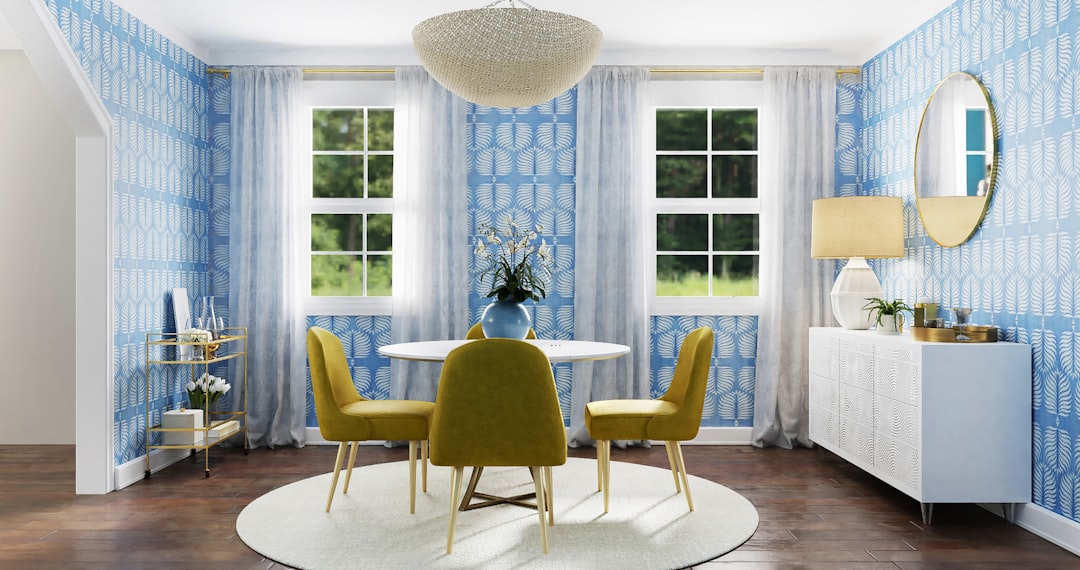
The right color palette can transform a space and influence the mood of its occupants. Warm colors like yellows and oranges can create a sense of warmth and energy, making them ideal for social spaces like kitchens and dining areas. In contrast, cool colors such as greens and blues can promote relaxation and focus, making them suitable for bedrooms and offices.
Additionally, the use of neutral colors can provide a versatile backdrop that allows for flexibility in design. Neutrals can help balance bold colors and create a cohesive look throughout a space. By combining different shades and tones, designers can craft environments that not only look appealing but also feel inviting and comfortable.
Emerging Trends in Color Usage
As we look ahead to the upcoming year, two significant trends are emerging in color usage within interior design. First, there is a growing interest in biophilic design, which incorporates natural elements and colors inspired by nature. This trend emphasizes greens, browns, and earthy tones that promote a sense of connection to the outdoors, enhancing well-being and reducing stress.
Another trend is the use of bold, saturated colors to make a statement. Designers are increasingly opting for vibrant hues to create focal points within a space, whether through accent walls, furniture, or decor. This approach not only adds personality to interiors but also encourages creativity and self-expression among occupants.
Practical Applications of Color Psychology
Understanding color psychology can significantly enhance the effectiveness of interior design projects. For instance, in residential spaces, selecting the right colors can improve the quality of life for homeowners by creating environments that support relaxation, productivity, or social interaction. In commercial settings, thoughtful color choices can enhance brand identity and influence customer behavior, ultimately driving sales and engagement.
Moreover, color consultation services can provide valuable insights for those unsure about their color choices. By working with professionals who understand the nuances of color psychology, clients can achieve spaces that not only look beautiful but also serve their intended purpose effectively.
Conclusion: The Future of Color in Design
As we move into the next year, the role of color in interior design will continue to evolve, driven by trends that prioritize well-being and personal expression. By harnessing the power of color psychology, designers can create spaces that resonate with individuals on a deeper level, enhancing their overall experience. Whether through calming hues or vibrant accents, the thoughtful application of color will remain a cornerstone of effective interior design.
In conclusion, understanding how colors affect mood is essential for anyone involved in interior design. By leveraging this knowledge, designers can create spaces that not only meet aesthetic goals but also foster positive emotional responses, ultimately leading to happier and healthier environments.