
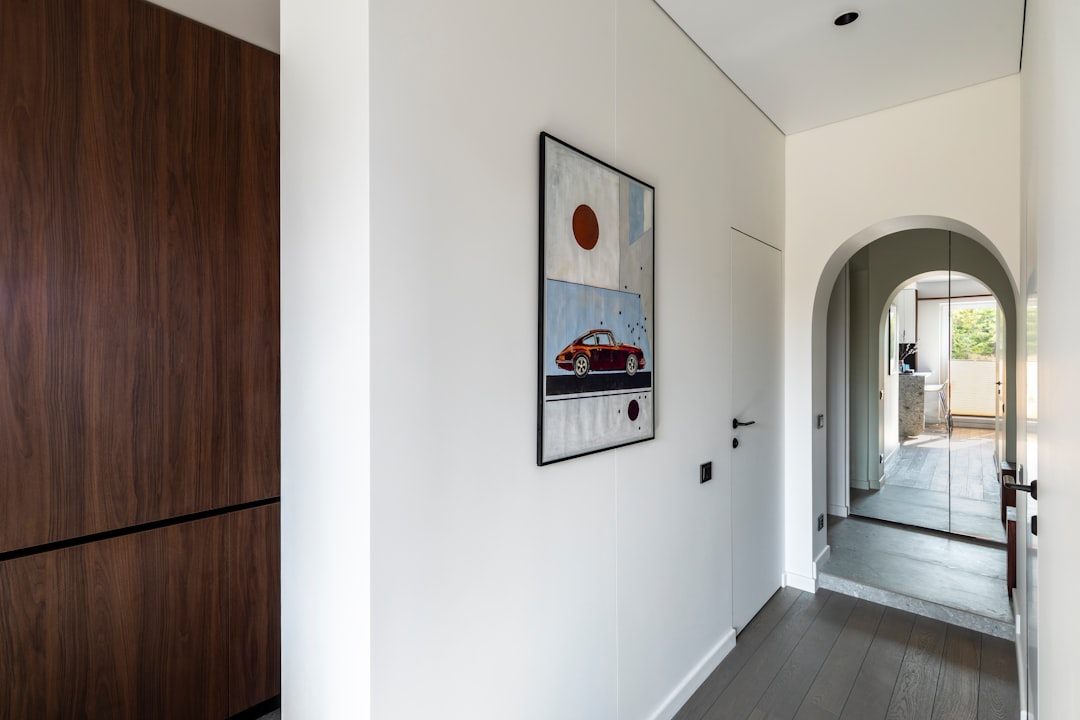
Maximizing Small Spaces: Clever Interior Design Solutions You Need
In today’s world, maximizing small spaces has become a necessity for many homeowners and renters alike. The challenge of creating a functional and aesthetically pleasing environment in limited square footage can be daunting. However, with the right interior design solutions, you can transform your small space into a stylish and practical haven. This article will explore clever design strategies that not only enhance the beauty of your home but also improve its functionality.
Understanding the Importance of Space Planning
Myth: Space planning is only for large homes and offices. Truth: Effective space planning is crucial for any size space, especially smaller ones. Properly planning your layout can significantly impact how you use your space. By considering the flow of movement and the placement of furniture, you can create an environment that feels open and inviting, even in a compact area.
When you prioritize space planning, you can identify areas that may be underutilized. For instance, a corner nook can be transformed into a cozy reading area with the right furniture arrangement. Additionally, using multi-functional furniture, such as a sofa bed or an ottoman with storage, can help you maximize every inch of your home while keeping it organized and clutter-free.
Choosing the Right Color Palette
Myth: Dark colors make small spaces feel even smaller. Truth: The right dark colors can add depth and sophistication to a small room. While lighter shades can create an illusion of space, darker hues can also be used effectively to create a cozy atmosphere. The key is to balance dark colors with adequate lighting and complementary decor to ensure the space does not feel cramped.
Incorporating a cohesive color palette throughout your small space can also enhance the overall design. Using similar shades for walls, furniture, and accessories creates a seamless look that can make your area feel larger. Consider using a monochromatic scheme or adding pops of color through accessories to maintain visual interest without overwhelming the space.
Utilizing Vertical Space
Myth: Small spaces limit your storage options. Truth: Vertical space offers a wealth of opportunities for storage and decoration. When floor space is limited, look up! Installing shelves, cabinets, or wall-mounted storage solutions can help you take advantage of the height of your walls. This not only provides additional storage but also draws the eye upward, creating the illusion of higher ceilings.
Incorporating tall furniture pieces, such as bookcases or armoires, can also help maximize vertical space. These pieces can serve as both functional storage and decorative elements, showcasing your personal style. Additionally, hanging artwork or mirrors higher on the walls can enhance the perception of space and light in your small area.
Incorporating Mirrors and Lighting
Myth: Adding mirrors will only make a small space feel cluttered. Truth: Mirrors can actually create the illusion of depth and openness in a small room. Strategically placing mirrors across from windows or light sources can reflect natural light, making your space feel brighter and more expansive. This simple trick can dramatically change the ambiance of your home.
Lighting is another crucial element in maximizing small spaces. A well-lit room feels larger and more inviting. Consider using a combination of ambient, task, and accent lighting to create a layered effect. Wall sconces, pendant lights, and floor lamps can all contribute to a well-lit environment while adding style to your decor.
Embracing Minimalism
Myth: Minimalism means sacrificing style for functionality. Truth: Minimalism can be both stylish and functional. Embracing a minimalist approach allows you to focus on quality over quantity, choosing pieces that truly enhance your space. By decluttering and selecting only essential items, you can create a serene environment that feels spacious and organized.
Incorporating minimalism into your design can also simplify your maintenance routine. Fewer items mean less cleaning and upkeep, allowing you to enjoy your space more fully. By choosing versatile, timeless pieces, you can create a cohesive look that stands the test of time while maximizing the potential of your small space.