
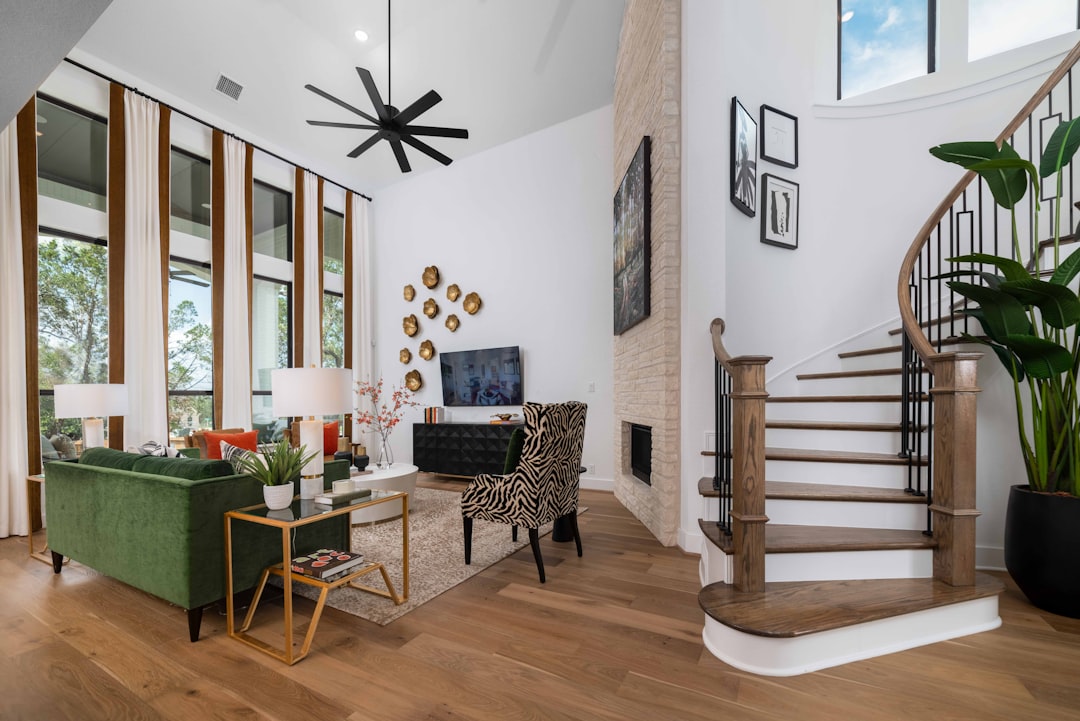
10 Essential Elements for a Stunning Interior Design Makeover
Transforming your space into a stunning interior design masterpiece requires careful planning and execution. At Design Vista Now, we understand the importance of creating environments that reflect your personal style while also being functional and inviting. Whether you are looking to remodel your kitchen, redesign your bathroom, or enhance your entire home, knowing the essential elements of interior design can help you achieve a cohesive and beautiful look.
Understanding Your Space
The first step in any interior design makeover is to thoroughly understand the space you are working with. This involves assessing the layout, dimensions, and existing features of the area. By taking accurate measurements and noting the architectural elements, you can identify the strengths and weaknesses of the space. This understanding will guide your design decisions and help you create a layout that maximizes functionality while maintaining aesthetic appeal.
Additionally, consider the natural light available in the space. Light can dramatically affect the mood and perception of a room. By analyzing how light interacts with your space throughout the day, you can make informed choices about color schemes, furniture placement, and window treatments that enhance the overall ambiance.
Choosing a Color Palette
Color is one of the most powerful tools in interior design. It can evoke emotions, create illusions of space, and set the tone for your home. When selecting a color palette, consider the mood you want to create in each room. Soft, neutral tones can promote relaxation, while bold colors can energize a space. A well-thought-out color scheme will unify your design and create a harmonious flow from one room to another.
Don’t forget to incorporate accent colors that can add depth and interest to your design. These can be introduced through accessories, artwork, or furniture pieces. A balanced color palette will not only enhance the beauty of your space but also reflect your personal style and preferences.
Furniture Selection and Layout
Choosing the right furniture is crucial for achieving a stunning interior design. Your furniture should not only be aesthetically pleasing but also functional and comfortable. Consider the scale of your furniture in relation to the size of the room; oversized pieces can overwhelm a small space, while too-small furniture can make a large room feel empty. Aim for a balance that complements the overall design.
Once you have selected your furniture, the layout becomes essential. Create a flow that allows for easy movement and interaction within the space. Grouping furniture in a way that encourages conversation and connection can enhance the functionality of your design. Remember to leave enough space for pathways and ensure that the arrangement feels inviting and cohesive.
Incorporating Textures and Patterns
Textures and patterns add depth and visual interest to your interior design. Mixing different materials, such as wood, metal, fabric, and glass, can create a dynamic and engaging environment. Consider incorporating various textures through rugs, cushions, and wall treatments to add layers to your design.
Patterns can also play a significant role in your design. Whether through wallpaper, upholstery, or decorative accessories, patterns can bring personality and character to your space. However, it’s essential to strike a balance; too many competing patterns can create visual chaos. Aim for a cohesive look by selecting patterns that complement each other and fit within your overall design theme.
Lighting Design
Lighting is a critical element of interior design that often gets overlooked. The right lighting can enhance the beauty of your space, highlight architectural features, and create a warm and inviting atmosphere. Consider layering your lighting with ambient, task, and accent lights to achieve a well-lit environment that serves various purposes.
Incorporate different types of lighting fixtures, such as chandeliers, floor lamps, and wall sconces, to add visual interest and functionality. Additionally, consider the use of dimmers to control the intensity of light, allowing you to adjust the mood of the room according to the time of day or occasion.
Step-by-step plan:
Step 1: Assess your space and understand its features. Step 2: Choose a cohesive color palette that reflects your style. Step 3: Select furniture that balances aesthetics and functionality. Step 4: Incorporate textures, patterns, and lighting to enhance your design.